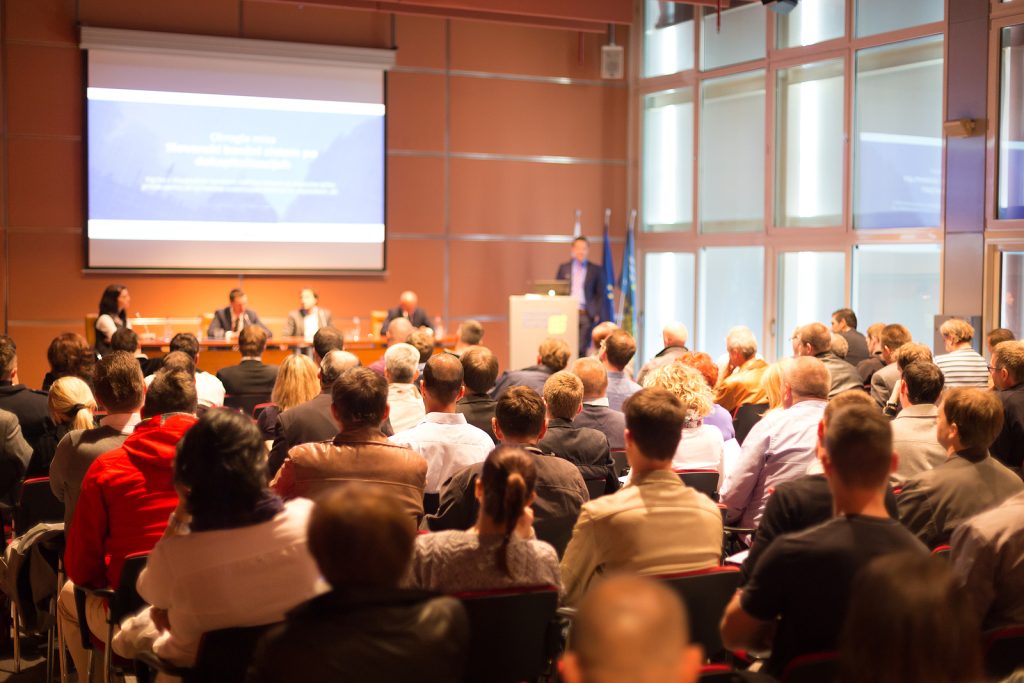
Conferences are organised with the promise of sharing new ideas, inspiration and information.
They are supposed to engage the audience and leave them with new, quality, actionable takeaways at the end of the day. Attendees may even find new colleagues, peers and connections that are mutually beneficial.
However, a poorly planned conference can lead to what is known as attendee fatigue.
What is attendee fatigue?
When a conference leaves a person disengaged, bored and tired enough to leave early, that is often caused by attendee fatigue.
You can recognise it by the symptoms:
- Issues with concentration or focus
- Headaches and discomfort from sitting or standing too long
- Skipping sections of the event or leaving early
- Not participating in the event or being on their phone
- Avoiding networking
What causes attendee fatigue?
Several factors contribute to the effect:
- Sessions that are too long
- Short breaks or not enough breaks
- Being in the same room for the whole event
- Understimulating content or speakers who don’t engage the audience
- Cognitive overload from too much information, noise or bright lights
- Being already tired from travel, life stresses and being in ‘performance’ mode
While the final point in the list can’t be helped, people are already tired before the event. However, the other points can be avoided with proper planning.
How can you avoid conference fatigue?
Organisers want people to get the most out of their day and hopefully spread the word on how inspiring it was to attend. To do that, they need to plan to eliminate conference attendee fatigue.
One way is to design events that boost rather than drain the energy of participants. It begins with the structure of the event and with the conference venue.
Choose the venue wisely
Feeling like you are trapped in the same auditorium for a whole day is not good for attendee wellbeing. Choosing a venue with multiple breakout spaces or foyers can help break the monotony of being in a single room.
Giving the attendees space to walk around can help manage the stiffness from sitting too long and provide them the opportunity to mingle or just be alone for a few minutes.
Structure the day well
An in-person or hybrid conference will need structuring to allow for comfort breaks and lunch. The day’s schedule can include shorter talks and keynotes, mixed in with audience interaction and workshops in other spaces.
Chartwell Speakers, who provide professional keynote speakers for events, suggest the best length for a speech is 30-45 minutes. That way, the speaker can deliver one idea in enough depth and detail to inspire.
However, shorter talks can also be scheduled in, giving the audience a short, punchy presentation before letting them digest it during a break. Networking and comfort breaks are often the time when the attendees get to digest the information and let it marinate.
Giving the attendees options for breakout activities and masterclasses can allow them to choose a topic that they really want to engage with.
Change up the format
One person lecturing from a flat PowerPoint the whole time is not likely to keep an audience engaged. Adding different formats to the programme, such as panel events, debates and interviews, can make it less predictable and therefore more interesting for the viewer.
The information doesn’t have to be delivered in person; AV can allow you to show a video to the audience and invite speakers to remotely deliver their talks. Add in workshops and networking ‘games’ to the schedule for variety while still sharing ideas and information.
Plan the sound and lighting
Too bright and too noisy an environment can lead to sensory overload, whereas a dark room with a quiet speaker might have a soporific effect on the audience.
Aiming both sound and light levels somewhere between can help to manage those effects. A quiet space could be made available for neurodivergent or sensory-sensitive attendees.